Tracing Player Pathways from Initial Deposits to Long-Term Retention Across Regulated Mobile Gaming Networks
Ines Hughes · Nov 19, 2026

Tracing Player Pathways from Initial Deposits to Long-Term Retention Across Regulated Mobile Gaming Networks
Regulated mobile gaming networks track player movements from the moment of first deposit onward, and data from multiple jurisdictions shows how these early actions connect to longer-term activity levels. Payment method selection often determines the speed of account funding, while verification processes influence how quickly users access games and begin regular play sessions.
Initial Deposit Patterns Across Platforms
Payment options range from credit cards and e-wallets to bank transfers and prepaid vouchers, each carrying different processing times and fee structures that affect user behavior. Figures from industry reports indicate that instant deposit methods correlate with higher completion rates for first-time funding, whereas slower options lead to more abandoned attempts. Researchers tracking cohorts in European markets note that users who complete deposits within the first session maintain activity at elevated rates over subsequent weeks.
Transition from Deposit to Sustained Engagement
Once funded, players encounter game libraries, bonus structures, and interface designs that guide their next steps. Data indicates that personalized recommendations based on deposit size and chosen game categories increase the likelihood of repeat logins within 48 hours. Observers note that users who explore multiple titles early on demonstrate broader retention curves compared to those who focus narrowly from the outset. In November 2026, updates to cross-border data sharing protocols among regulators in Canada and Australia are expected to refine how operators measure these early transitions.
Support response times also factor into the pathway, as quick resolution of deposit or login issues prevents early drop-off. Studies from academic institutions reveal that users receiving assistance within five minutes show measurably higher seven-day return rates than those experiencing longer waits.
Retention Metrics and Analytical Methods
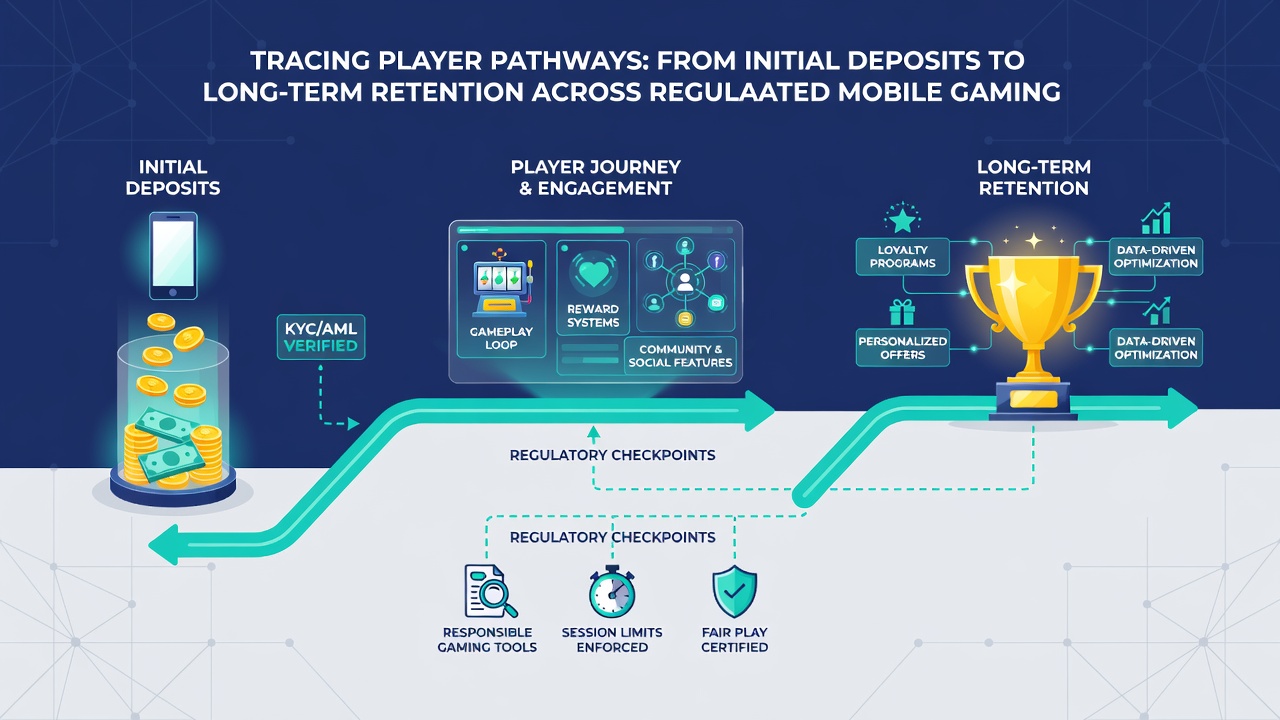
Long-term retention relies on ongoing segmentation of player groups according to deposit frequency, average session length, and preferred game volatility. Operators apply cohort analysis to compare groups that started in the same month, tracking metrics such as monthly active users and lifetime value. Evidence from North American markets shows that players retained past the 90-day mark generate the majority of network revenue despite representing a smaller percentage of total registrants.
Behavioral triggers including loyalty rewards, seasonal promotions, and push notifications are calibrated using these datasets. A report published by the American Gaming Association outlines how machine learning models predict churn risk based on declining deposit intervals and reduced game variety. Those models allow operators to intervene with targeted offers before complete disengagement occurs.
Regulatory Influences on Pathway Tracking
Licensing requirements in multiple regions mandate responsible gaming tools such as deposit limits and self-exclusion options that intersect with retention tracking. These features create documented checkpoints where player activity either continues or pauses, providing clear data points for analysis. The Canadian Gaming Association compiles anonymized statistics showing how limit-setting behaviors correlate with extended account lifespans in provincially regulated apps.
Cross-device synchronization further shapes pathways, since users switching between smartphones and tablets expect seamless balance transfers and game progress. Networks that maintain consistent performance across operating systems report steadier retention figures according to aggregated operator disclosures.
Conclusion
Pathway tracing in regulated mobile gaming networks combines payment data, engagement logs, and regulatory compliance records to map progression from first deposit to sustained participation. Continued refinement of these analytical approaches supports both operational efficiency and adherence to oversight standards across jurisdictions.