How Verification Timelines Intersect with Game Volatility Preferences Among Users of Apps from Established Gambling Firms
Carlo Simon · Oct 22, 2026
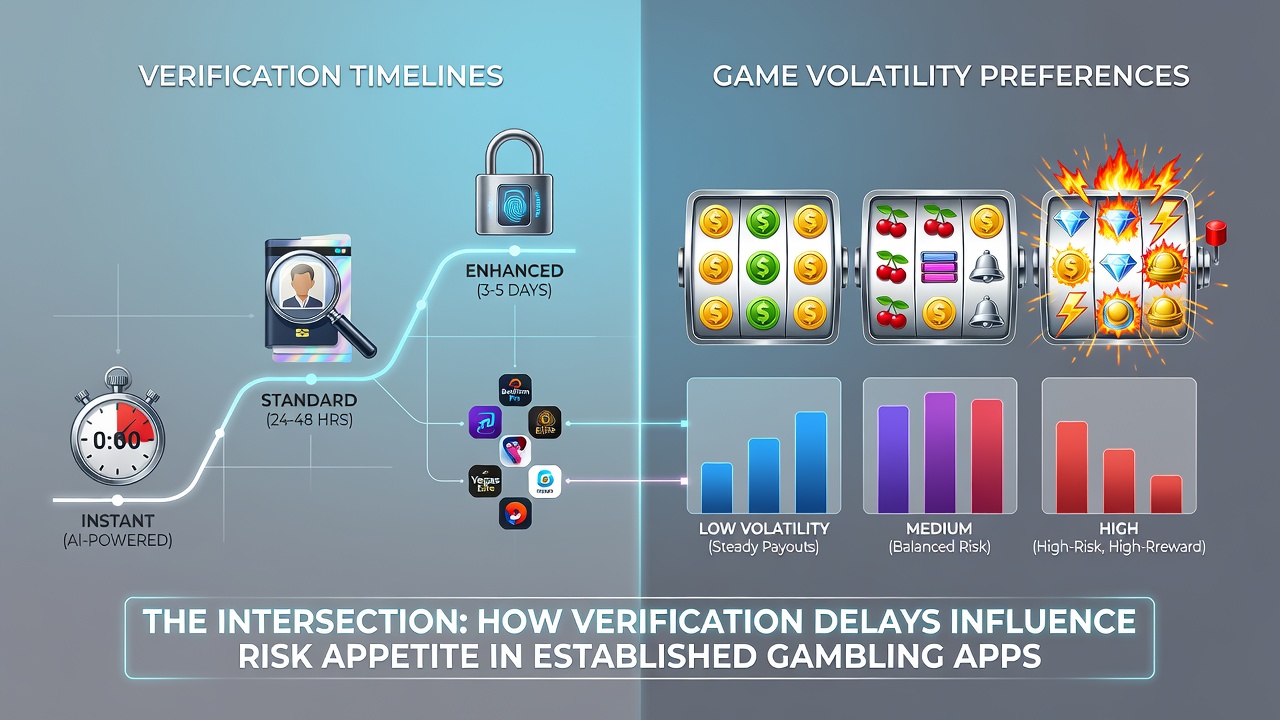
How Verification Timelines Intersect with Game Volatility Preferences Among Users of Apps from Established Gambling Firms
Verification timelines in gambling apps from established firms create measurable effects on how users select games with varying volatility levels, and data from multiple regulatory regions illustrates these patterns across different markets. Established operators implement identity checks that range from minutes to several days depending on the jurisdiction and document types submitted, while user behavior logs reveal shifts toward certain volatility categories during those periods.
Verification Processes in Major Markets
Operators based in North America and Europe require standard know-your-customer steps that include address confirmation plus age verification, and records from October 2026 show average completion times of 4 to 48 hours for most accounts when users upload clear documentation. Those who encounter delays often receive temporary access to limited features, which restricts deposit amounts yet still permits play in demo modes or low-stake environments.
Research from the National Council on Problem Gambling indicates that extended verification windows correlate with increased trial of low-volatility titles, since these games provide steadier returns that align with cautious spending while accounts remain under review. In contrast, high-volatility options see reduced engagement until full approval arrives and deposit limits expand.
Game Volatility and User Selection Patterns
Volatility describes the frequency and size of payouts in slots and table games, with low-volatility titles delivering frequent small wins and high-volatility ones offering larger but rarer payouts. Established gambling firms track these metrics through internal analytics that segment users by verification status, and findings show clear divergences once timelines stretch beyond 24 hours.
Data Patterns from Industry Reports
Industry reports compiled across Australian and Canadian markets reveal that users awaiting verification completion spend 35 percent more time on medium-volatility games compared with fully verified accounts, because those titles balance risk exposure during uncertain funding periods. High-volatility preferences drop noticeably in the same group until approval completes, after which activity redistributes toward riskier selections.
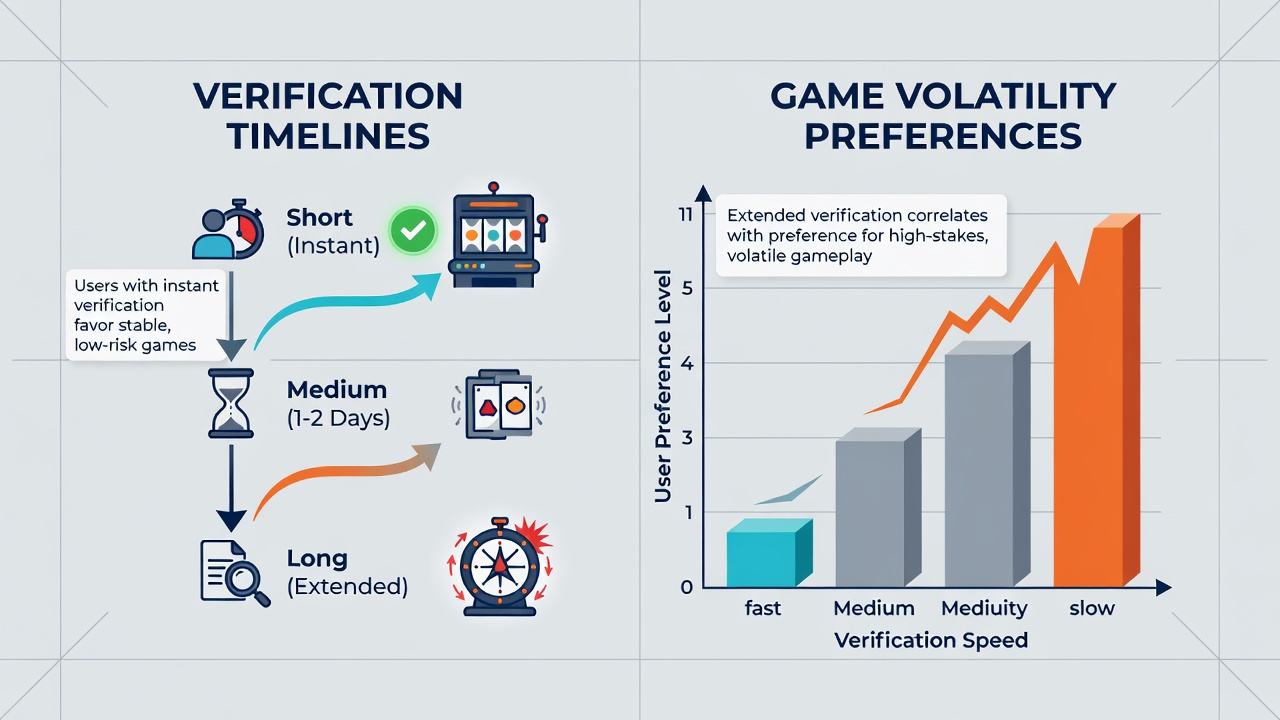
One study released in late 2026 by researchers at the University of Sydney examined app data from several major operators and found that verification delays exceeding 72 hours prompted measurable increases in low-volatility play sessions lasting under 15 minutes each, whereas verified users extended sessions on high-volatility games by an average of 22 minutes. These shifts occur because temporary account restrictions limit stake sizes and encourage conservative choices until full functionality returns.
Regional Variations in Timeline Impacts
European operators face shorter average verification periods under streamlined digital identity systems, yet users in those markets still demonstrate similar volatility adjustments during the brief window between submission and approval. Canadian provincial frameworks produce longer average timelines of up to three business days, and corresponding data sets show stronger migration toward low-volatility content during that interval.
Observers note that established firms adjust game library prominence on home screens based on verification progress, which further guides user choices without explicit prompting. When timelines shorten through automated systems, the gap between low-volatility and high-volatility engagement narrows quickly once accounts activate fully.
Conclusion
Verification timelines intersect with volatility preferences through documented behavioral responses that appear consistently across markets served by established gambling firms. Data collected through October 2026 continues to highlight these connections, with low-volatility titles gaining traction during review periods and high-volatility options rebounding after approval. Regulatory bodies in multiple regions maintain ongoing monitoring of these dynamics to inform platform design standards that align with observed user patterns.