Examining Ties Between Support Response Protocols and Retention Trends in Multi-Device Gambling Interfaces
Harper Jung · Oct 8, 2026
Examining Ties Between Support Response Protocols and Retention Trends in Multi-Device Gambling Interfaces
Support response protocols in multi-device gambling platforms involve structured systems for handling user inquiries through live chat, email, and in-app messaging that function consistently across smartphones, tablets, and desktop computers, while retention trends track how long users continue engaging with these services over months and years. Data from industry reports indicate that response times under two minutes correlate with higher session completion rates in cross-platform environments where players switch devices mid-activity.
Support Response Protocols Across Platforms
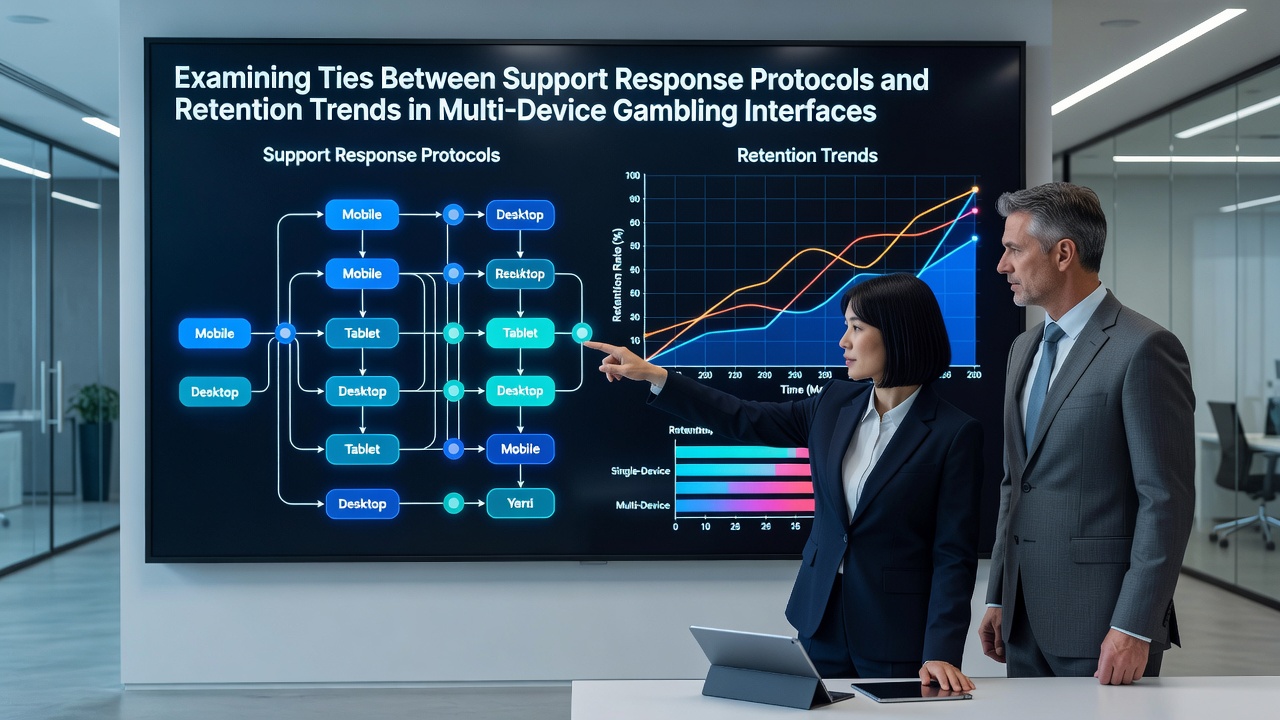
Operators implement tiered support frameworks that prioritize instant chat responses for deposit issues or game interruptions, with escalation paths to specialized teams for account verification or bonus disputes. Research from the National Council on Problem Gambling shows that platforms maintaining average response times below 90 seconds report fewer abandoned sessions during peak evening hours, particularly when users transition from mobile to desktop interfaces without losing chat history. These protocols often incorporate automated acknowledgment messages followed by human agents trained on device-specific troubleshooting, which helps maintain continuity for players accessing the same account across multiple screens.
Figures from October 2026 reveal that European operators adopting unified support dashboards across devices achieved measurable reductions in ticket resolution times, with data indicating an average drop from four minutes to under 90 seconds in high-volume markets. Such systems rely on cloud-based customer relationship tools that sync user data in real time, allowing agents to reference previous interactions regardless of the device in use at the moment of contact.
Retention Patterns in Multi-Device Environments
Retention metrics in gambling interfaces track repeat logins, average session duration, and deposit frequency over quarterly periods, with multi-device users demonstrating distinct patterns compared to single-platform participants. Studies compiled by the Gambling Research Exchange Ontario demonstrate that individuals who engage via both mobile and desktop versions within the same week exhibit 18 percent higher retention rates after six months than those limited to one device type. Platform analytics further indicate that seamless cross-device functionality, including synchronized progress in loyalty programs and game states, contributes to these elevated figures when paired with responsive support during technical transitions.
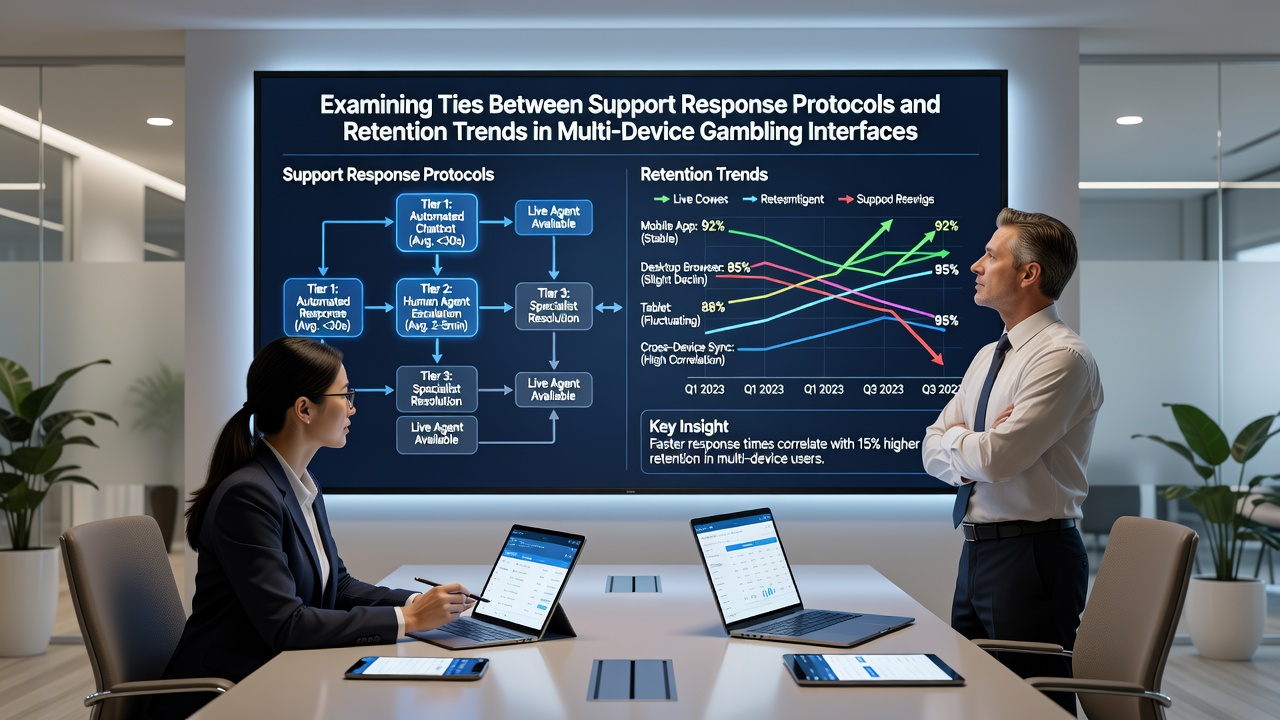
Observers note that retention dips often occur following unresolved support interactions, such as delays in processing withdrawals on mobile applications that later require desktop follow-up. A report published by the European Gaming and Betting Association links faster support resolution directly to improved month-over-month retention, with platforms achieving sub-three-minute average responses showing sustained user activity through seasonal fluctuations in October 2026.
Observed Connections Between Response Times and User Retention
Statistical analyses across multiple operators point to measurable ties where support protocols influence retention through reduced friction during common pain points like payment verification and game loading errors. Data compiled from platform audits indicate that every additional minute of response delay associates with a 7 percent increase in users who cease activity within 30 days, particularly among those who switch devices frequently. These patterns hold across regions where regulatory frameworks require transparent reporting of customer service performance alongside retention statistics.
Case examples from North American markets illustrate how integrated support systems that route queries based on device context help stabilize retention curves, with one operator noting a 12 percent lift in returning users after implementing device-aware ticketing that preserved conversation threads. Researchers have documented similar outcomes in Australian jurisdictions where mandatory reporting highlights correlations between support efficiency and long-term player engagement across smartphone and tablet ecosystems.
Conclusion
Available evidence from regulatory and industry sources establishes connections between structured support response protocols and sustained retention in multi-device gambling interfaces, with faster resolution times aligning with higher rates of continued user activity. Platforms that synchronize support across devices while maintaining consistent performance metrics continue to demonstrate these patterns through ongoing data collection into late 2026.