Decoding Links Between Funding Options and Entertainment Choices in Smartphone Wagering Services
Carlo Simon · Aug 19, 2026

Decoding Links Between Funding Options and Entertainment Choices in Smartphone Wagering Services
Smartphone wagering services have grown into a major segment of the entertainment industry by August 2026 with mobile platforms handling the majority of user activity across global markets. Funding options available on these devices range from traditional credit cards and bank transfers to e-wallets, prepaid vouchers, and emerging digital assets. Each method carries distinct processing speeds, fee structures, and availability that shape how users select and engage with different forms of entertainment such as slots, live dealer tables, sports betting markets, and virtual events.
Payment Methods and Their Technical Characteristics
Researchers tracking transaction data note that credit card deposits often complete within seconds yet carry higher processing fees in many jurisdictions while e-wallet services like those integrated with major apps provide near-instant transfers with lower costs and added layers of privacy. Bank transfers, by contrast, may require one to three business days for clearance which limits their use in fast-paced environments. Prepaid options appeal to users seeking strict spending caps because they prevent overspending beyond the loaded balance. Cryptocurrency transactions have expanded in select regions because they bypass conventional banking hours and offer lower fees during peak times though volatility remains a factor for some participants.
Data from industry reports shows that regions with mature mobile infrastructure report higher adoption of instant funding tools compared with areas where legacy banking systems still dominate. Observers note that transaction speed directly correlates with session length because users who complete deposits quickly tend to explore multiple game categories within a single sitting rather than pausing between activities.
Entertainment Formats and User Selection Patterns
Smartphone wagering platforms offer distinct entertainment formats that attract different user groups. Slot games and casual scratch cards dominate short-session play because they require minimal setup and deliver immediate outcomes. Live dealer experiences and tournament-style poker demand sustained attention and often larger average stakes. Sports betting apps see spikes during major events where users switch between pre-match and in-play markets. Virtual sports and skill-based contests represent newer additions that blend traditional wagering with interactive elements.
Studies from academic institutions indicate that entertainment choices also vary by demographic factors such as age group and geographic location. Younger users show stronger preference for mobile-first formats with social features while older cohorts gravitate toward established table games accessed through streamlined interfaces. These patterns hold across multiple markets even as regulatory frameworks differ.
Connections Between Funding Speed and Game Preferences
Evidence suggests that funding speed influences the types of entertainment users pursue on smartphone devices. Quick deposit methods enable spontaneous participation in live events and time-sensitive promotions whereas slower options steer participants toward scheduled activities like daily tournaments or pre-planned sports wagers. One analysis of transaction logs revealed that e-wallet users accessed live casino sections at higher rates than those relying on bank transfers.
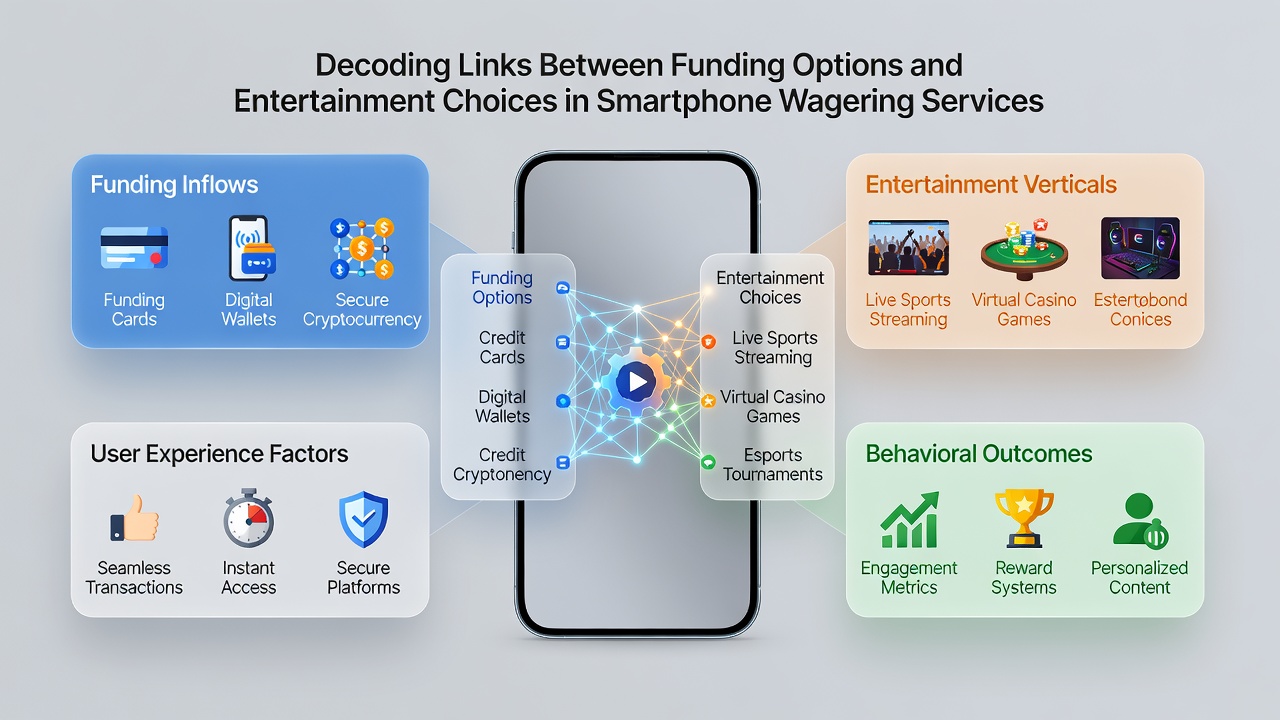
But here's the thing: fee structures add another layer because methods with minimal transaction costs encourage users to experiment across multiple game types without accumulating extra charges. High-fee options, however, prompt more deliberate choices focused on higher-stakes entertainment where the potential return justifies the overhead. Those who've examined platform analytics observe that bonus funds tied to specific payment methods further direct users toward particular game libraries.
Turns out regulatory environments also play a role. Jurisdictions that mandate clear fee disclosures and transaction timelines see more consistent user behavior across funding categories. In markets where such rules are less stringent, patterns appear more fragmented with users testing multiple methods before settling on preferred combinations. A report published by the American Gaming Association highlights how mobile payment integration has expanded entertainment variety while maintaining responsible play features across participating operators.
Regional Trends and Platform Adaptations
Platform operators have adjusted their offerings to accommodate regional preferences in funding and entertainment. In North American markets, integration with popular e-wallets supports both sports betting and casino-style games within single apps. European and Australian services often emphasize prepaid options alongside traditional cards to align with local consumer habits. Data released in mid-2026 showed continued growth in cross-border mobile wagering with users frequently combining multiple funding sources depending on the entertainment category.
What's interesting is how loyalty programs and reward structures reinforce these links. Users who deposit via certain methods receive tailored bonuses that unlock specific game modes or tournament entries. This design encourages repeated use of the same funding tool for favored entertainment formats. Research institutions tracking these dynamics report measurable differences in retention rates when payment and game incentives align closely.
Conclusion
Smartphone wagering services demonstrate clear connections between available funding options and the entertainment formats users select. Transaction speed, cost, and regional availability shape participation patterns across game categories while platform adaptations continue to evolve in response to user data collected through August 2026 and beyond. Observers continue to monitor how new payment technologies will further influence these relationships in coming periods.